
Syrian Hamster
Syrian Hamsters are friendly, low-maintenance pets ideal for beginners. Learn about Syrian hamster care, diet, lifespan, housing, and suitability in India.
Syrian Hamster – Complete Care & Breed Guide
Syrian Hamster is one of the most popular and widely kept hamster species in the world. Known for their cute appearance, calm temperament, and easy maintenance, Syrian hamsters are ideal pets for beginners, families, and children. In India, Syrian hamsters are becoming increasingly popular due to their low space requirements, affordable care, and suitability for indoor living.
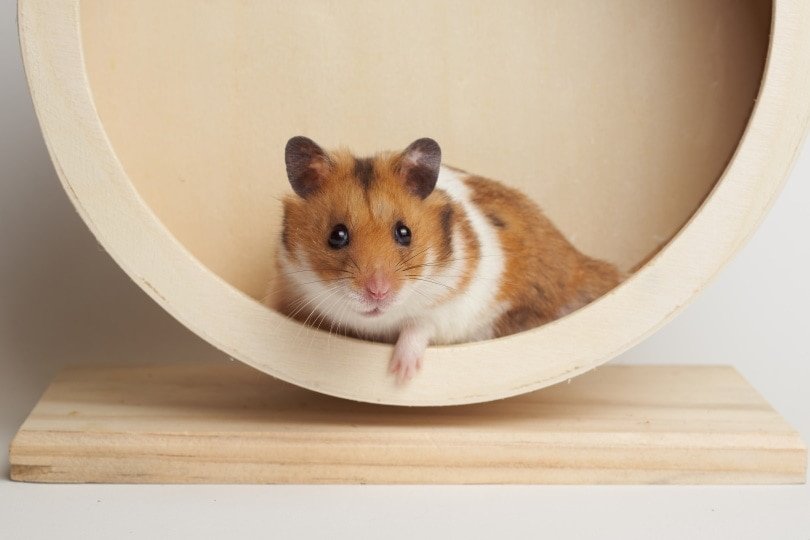
Syrian hamsters are also commonly known as Golden Hamsters or Teddy Bear Hamsters, depending on their coat type and color. They are larger than dwarf hamster species and are known for their solitary nature and gentle behavior when properly handled. Their expressive eyes, soft fur, and playful personality make them one of the most loved small pets worldwide.
Origin & Physical Characteristics
Syrian hamsters originate from Syria and surrounding regions, where they lived in dry, desert-like environments. This natural background makes them adaptable to warm climates, which suits Indian living conditions well.
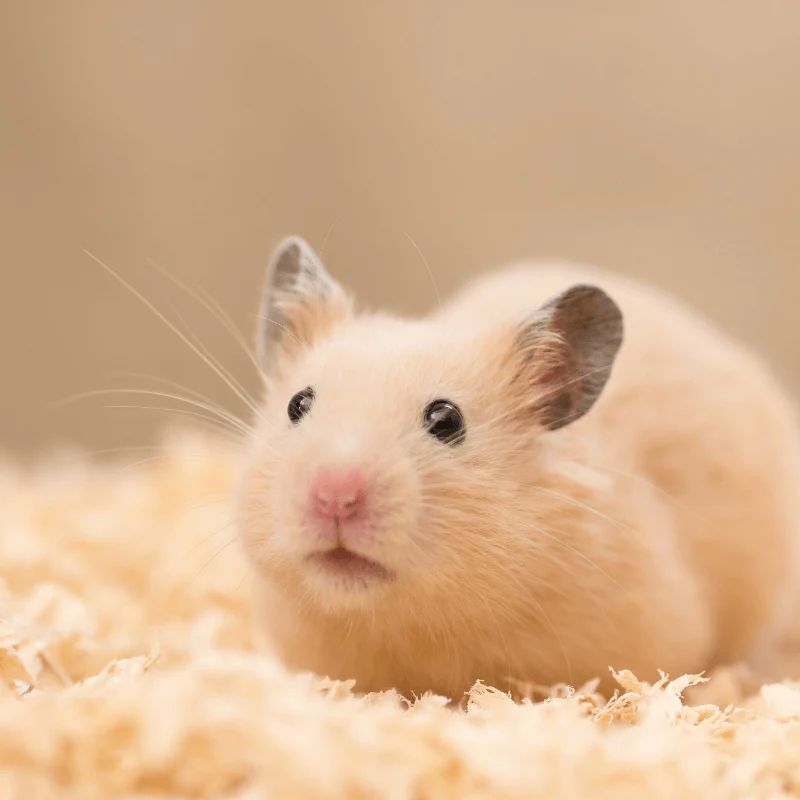
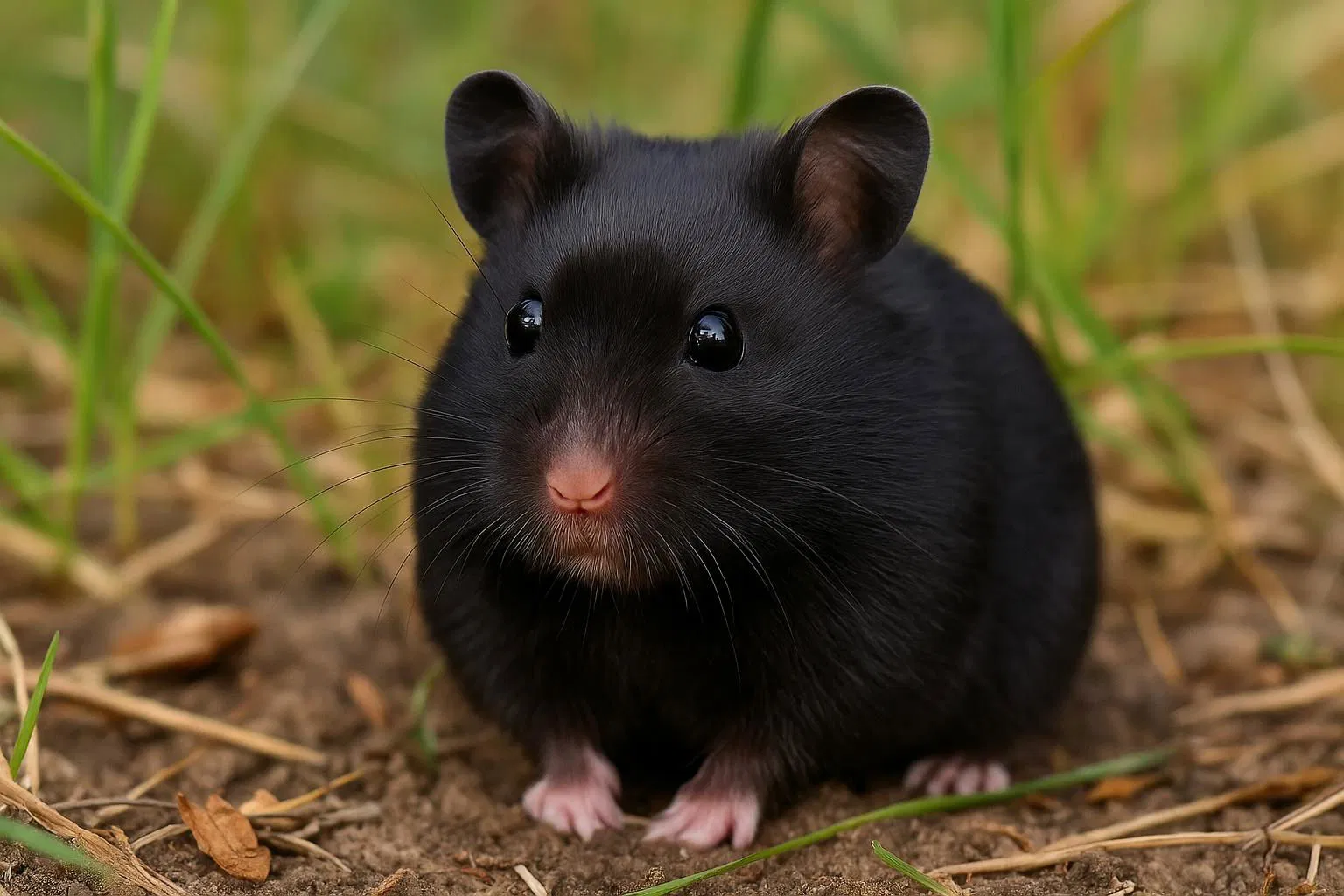
Adult Syrian hamsters usually grow between 12 to 18 cm in length and weigh around 120–180 grams, making them the largest among commonly kept pet hamsters. They come in a wide variety of colors, including golden, white, cream, brown, black, and multi-color patterns.
Their fur can be:
-
Short-haired (smooth coat)
-
Long-haired (Teddy Bear hamster)
Both types are equally friendly and easy to maintain with basic grooming.
Temperament & Behavior
Syrian hamsters are known for their gentle, calm, and curious nature. They are not aggressive by default and rarely bite when handled properly. With regular handling, they become friendly and comfortable with humans.
One important trait of Syrian hamsters is that they are solitary animals. Unlike guinea pigs, Syrian hamsters must be kept alone. Housing two Syrian hamsters together can lead to fighting, injuries, and even death. This makes single housing not only normal but necessary for their safety and well-being.
Syrian hamsters are nocturnal, meaning they are most active at night. During the day, they sleep and rest in their hideouts. This behavior makes them suitable for people who are home in the evenings and nights.
Housing & Cage Setup
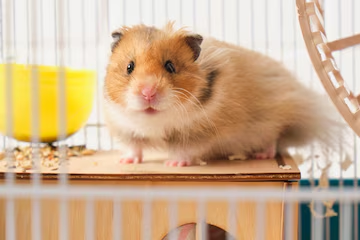
A proper cage is essential for a Syrian hamster’s health and happiness. Despite their small size, they need sufficient space to move, explore, and exercise.
Ideal Cage Setup:
-
Well-ventilated cage (wire or glass tank with mesh top)
-
Solid flooring (no wire base)
-
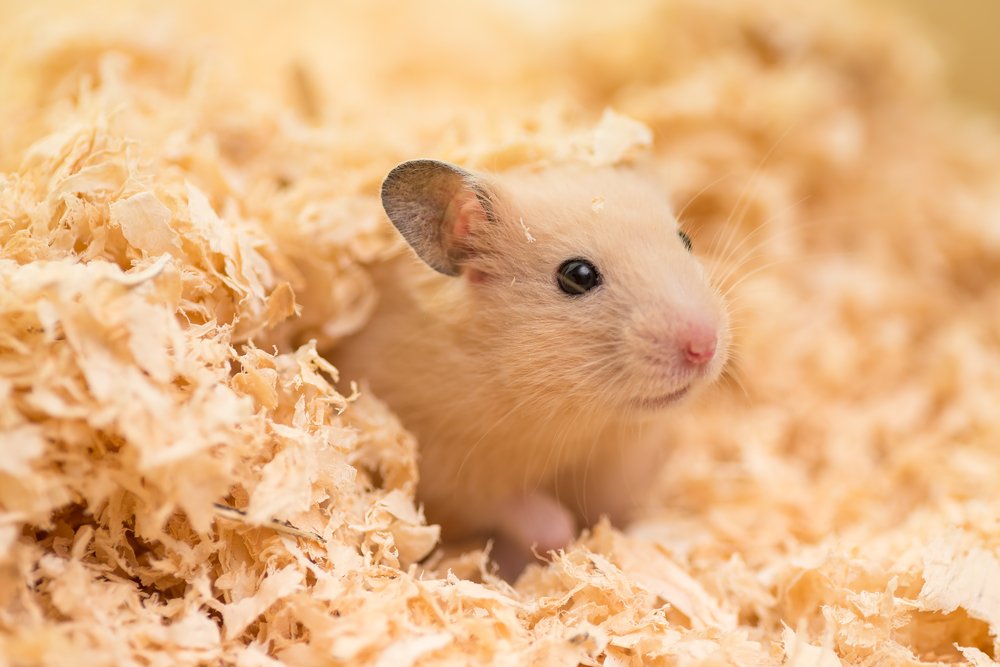
Soft bedding (paper bedding or wood shavings)
-
Hideout/shelter for sleeping
-
Exercise wheel (solid surface wheel)
-
Food bowl and water bottle
-
Chew toys for dental health
The cage should be placed in a quiet, well-ventilated area away from direct sunlight and noise.
Diet & Nutrition
Syrian hamsters are omnivores and require a balanced diet for good health.
Daily Diet Includes:
-
Hamster food mix (seeds, grains, pellets)
-
Fresh vegetables (carrot, cucumber, spinach in small amounts)
-
Fruits (apple, banana – occasionally)
-
Protein sources (boiled egg, mealworms – occasionally)
-
Clean drinking water
Foods to Avoid:
-
Chocolate
-
Onion, garlic
-
Citrus fruits
-
Sugary or salty food
-
Spicy Indian food
Proper nutrition helps maintain energy levels, coat health, and lifespan.
Grooming & Hygiene
Syrian hamsters are naturally clean animals. They groom themselves regularly and do not require bathing.
Basic care includes:
-
Weekly cage cleaning
-
Spot cleaning bedding
-
Occasional brushing for long-haired varieties
-
Nail trimming if required
Clean living conditions help prevent infections and odor.
Health & Lifespan
With proper care, Syrian hamsters live 2 to 3 years, which is normal for hamster species.
Common health issues include:
-
Dental overgrowth
-
Respiratory infections
-
Wet tail disease (in young hamsters)
-
Obesity (from overfeeding)
Providing a clean cage, balanced diet, and stress-free environment significantly improves health and lifespan.
🇮🇳 Suitability for Indian Homes
Syrian hamsters are well-suited for Indian homes because:
✔ They adapt well to warm climates
✔ They require small living space
✔ They are low-maintenance pets
✔ They are affordable to care for
✔ They are suitable for apartments
✔ No vaccinations required
They are perfect for:
-
First-time pet owners
-
Students
-
Families
-
Children (with supervision)
-
Indoor living
Syrian Hamster Price in India
The price of a Syrian hamster in India depends on color, coat type, and city.
Average Price Range:
-
Syrian Hamster: ₹800 – ₹1,500
-
Long-haired (Teddy Bear): ₹1,200 – ₹2,000
Prices may vary in metro cities and based on availability.

Reviews
There are no reviews yet.